Each February, advocates, families, clinicians, researchers, and policymakers come together in Washington, D.C., united by a shared goal: to elevate the voices of people living with rare diseases and to push for policies that better reflect their lived realities. Connecting hundreds of organizations representing thousands of rare diseases, Rare Disease Week strengthens community, visibility, and sustained progress for the more than 300 million people worldwide living with a rare disease.
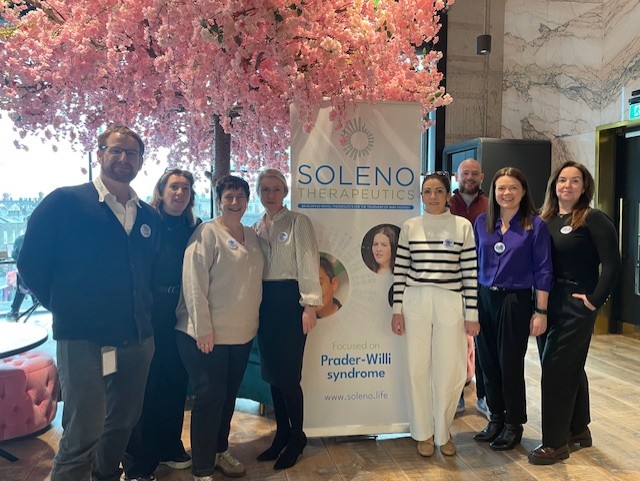
This year, members of the Prader-Willi syndrome (PWS) community joined affected individuals, caregivers, and advocates on Capitol Hill and beyond to listen, learn, and support efforts that advance awareness, research, and access for individuals living with PWS and the broader rare disease community.
What Is Rare Disease Week, and Why It Matters for the PWS Community?
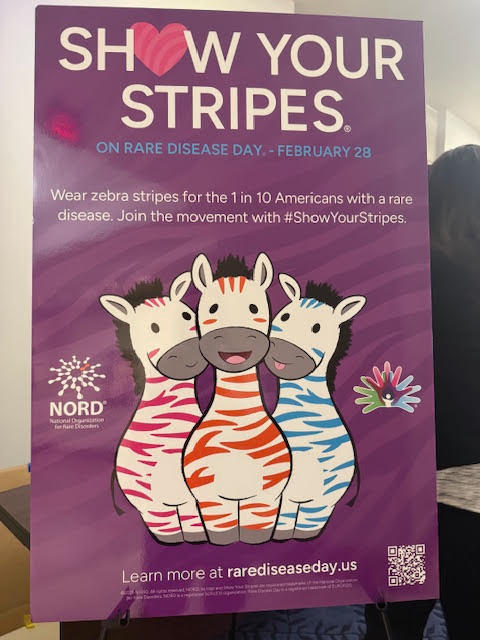
Rare Disease Week is held each year around Rare Disease Day, globally observed every year on the last day of February. Established in 2008 by the Rare Diseases International community, Rare Disease Day raises awareness for conditions that may be rare individually, but collectively affect hundreds of millions worldwide. The timing is intentional. Rare Disease Day falls on February 29, the “rarest” day of the calendar, occurring only in leap years, and on February 28 in others. This symbolism reflects how rare diseases are often overlooked and underscores the importance of bringing these conditions, and the people living with them, into greater visibility and understanding.
For families living with PWS, awareness matters deeply. PWS is a rare, complex genetic condition that impacts multiple systems in the body, affecting an estimated 10,000 to 20,000 individuals in the United States. Individuals living with PWS may experience low muscle tone, growth hormone deficiency, cognitive and behavioral challenges, and difficulties regulating temperature. The defining feature of PWS is hyperphagia, a chronic and life-threatening condition marked by intense, persistent hunger. Managing PWS often requires lifelong, coordinated medical, behavioral, and social support, making advocacy an essential part of daily life for many families.
Rare Disease Week helps:
- Elevate personal stories so policymakers understand real-world challenges
- Increase visibility for conditions like PWS that are often misunderstood
- Support policies that encourage research, innovation, and access to care
- Build connection and solidarity across rare disease communities
A Look Back at Rare Disease Week 2026
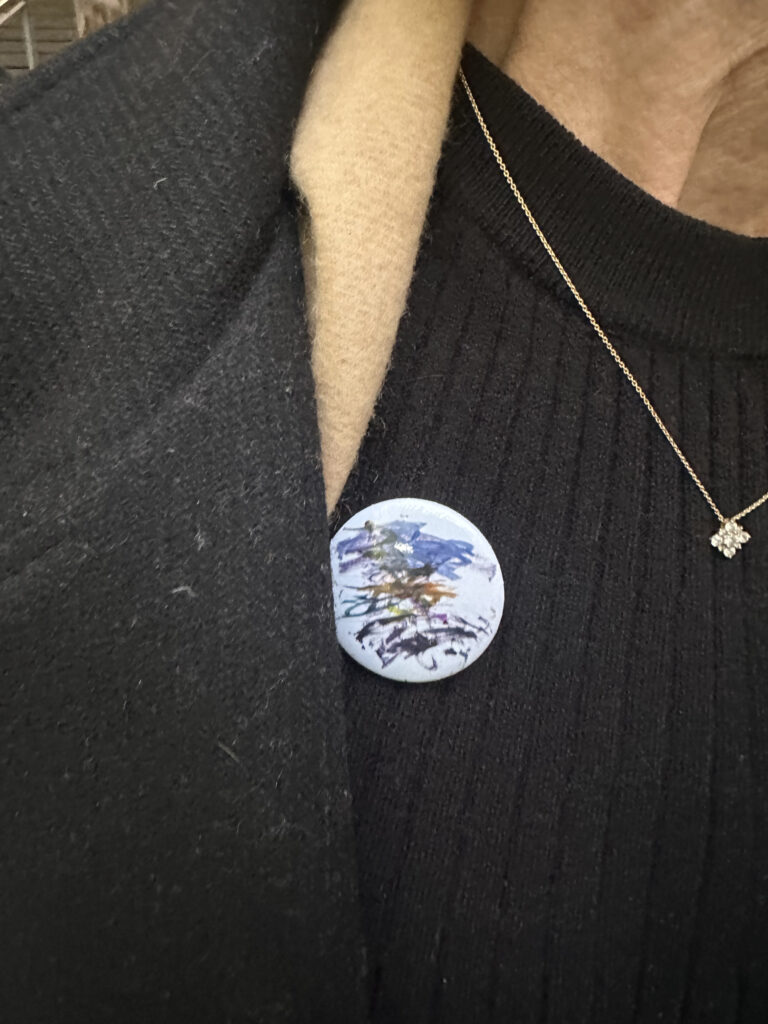
Throughout Rare Disease Week, many members of the Soleno team wore pins in honor of the PWS community featuring original artwork by Audra G., selected through the Foundation for Prader-Willi Research Art Contest. Her piece, “Blue, Pink, Yellow, & Blue,” served as a visible reminder of the creativity, resilience, and humanity behind every rare disease story and helped keep the PWS community present in conversations throughout the week.
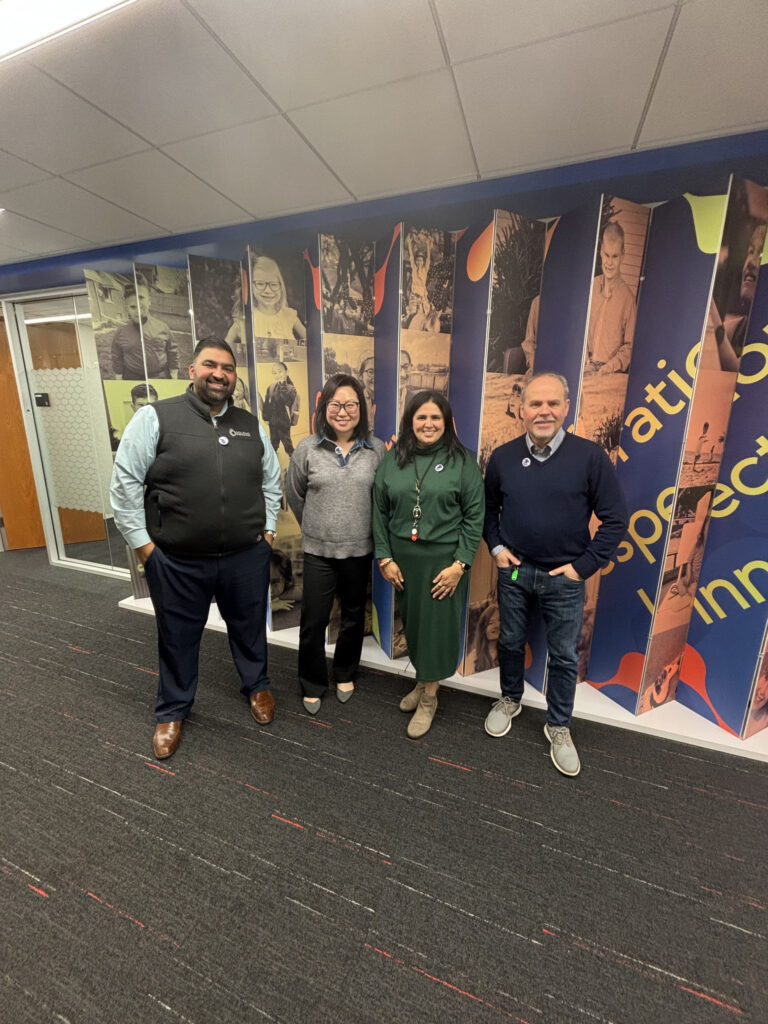
The week began with FDA Rare Disease Day, a public meeting hosted by the U.S. Food and Drug Administration. The event focused on how patient perspectives inform rare disease research, treatment development, and regulatory decision-making, underscoring the importance of listening to day-to-day realities at every stage of progress.
Share Your Story Day emphasized the power of lived experience, helping participants shape and share their personal journeys in ways that resonate with decision-makers. For many families, these stories reflect daily realities that are not always visible but deeply impact quality of life. A Welcome Reception followed, creating space for connection, shared understanding, and community across diagnoses.
Midweek programming included EveryLife Foundation’s Legislative Conference that provided education on federal policy issues affecting the rare disease community and practical guidance on advocacy strategies. Alongside this, the Rare Artist Gallery highlighted artwork created by individuals and families impacted by rare diseases, reinforcing that advocacy is not only about policy, but also about honoring the full lives, talents, and voices of the community.
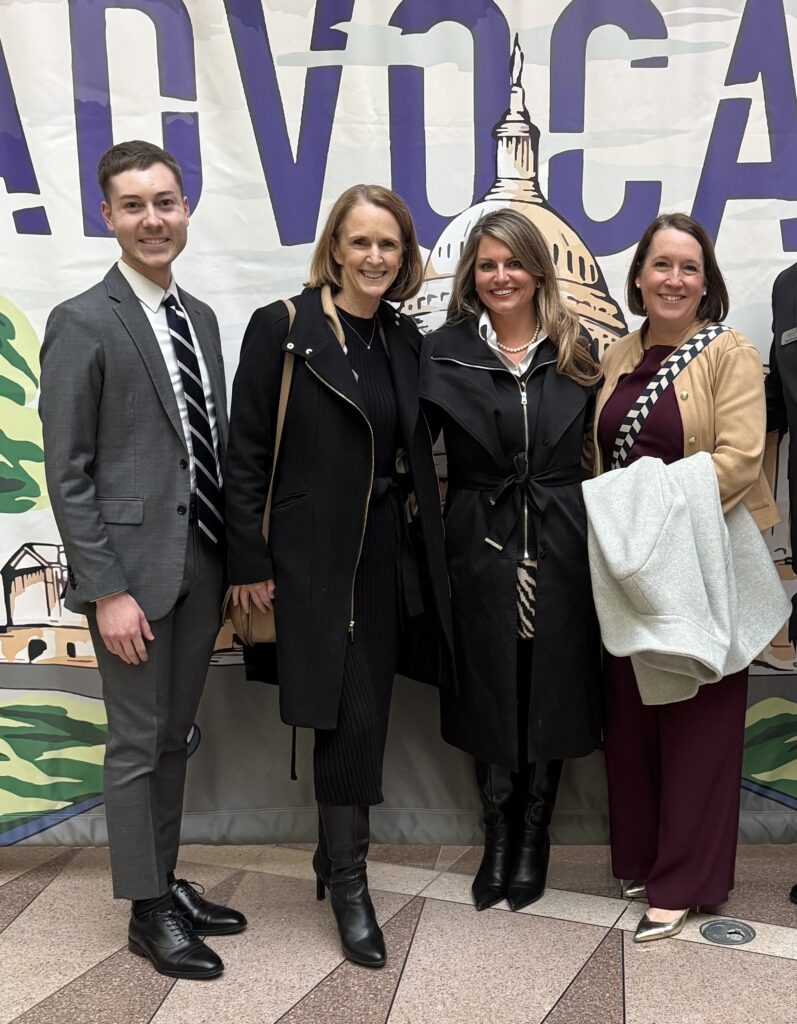
Rare Disease Week concluded with Capitol Hill meetings and a Rare Disease Congressional Caucus Briefing, where conversations with policymakers centered on the real-world impact of rare disease policies on patients and families. Rare Disease Day at the National Institutes of Health spotlighted ongoing research efforts and highlighted the critical role of scientific collaboration in advancing understanding and care for rare conditions.
Why This Week Matters for PWS and Beyond
For the PWS community, and for all rare disease communities, Rare Disease Week is a reminder that progress happens when voices are heard consistently, not just once a year. It’s an opportunity to educate decision-makers, build cross-community solidarity, and reinforce the urgency of policies that support early diagnosis, research investment, and equitable access to care.
For example, one area often overlooked is the importance of access to specialized care. Because PWS affects multiple hormonal and metabolic systems, care is often led by pediatric endocrinologists and delivered through specialized centers found across the United States rather than local general medical practices. Yet nationwide shortages continue to limit access, with demand outpacing supply and many families facing long wait times and geographic barriers. Raising awareness about careers in pediatric endocrinology and supporting the workforce pipeline is essential to strengthening long-term care for the PWS community. At the same time, strong, ongoing dialogue between healthcare providers, caregivers, and patients remains central to ensuring that each individual’s care reflects their unique needs.
As a company committed to the PWS community, Soleno was proud to listen, learn, and stand alongside advocates working toward a future where rare diseases are better understood and better served.
Advocacy doesn’t end when the week does, but Rare Disease Week helps ensure that the needs and experiences of rare disease communities remain visible, valued, and part of the national conversation.
C-US-PWS-00160 v1 03/2026