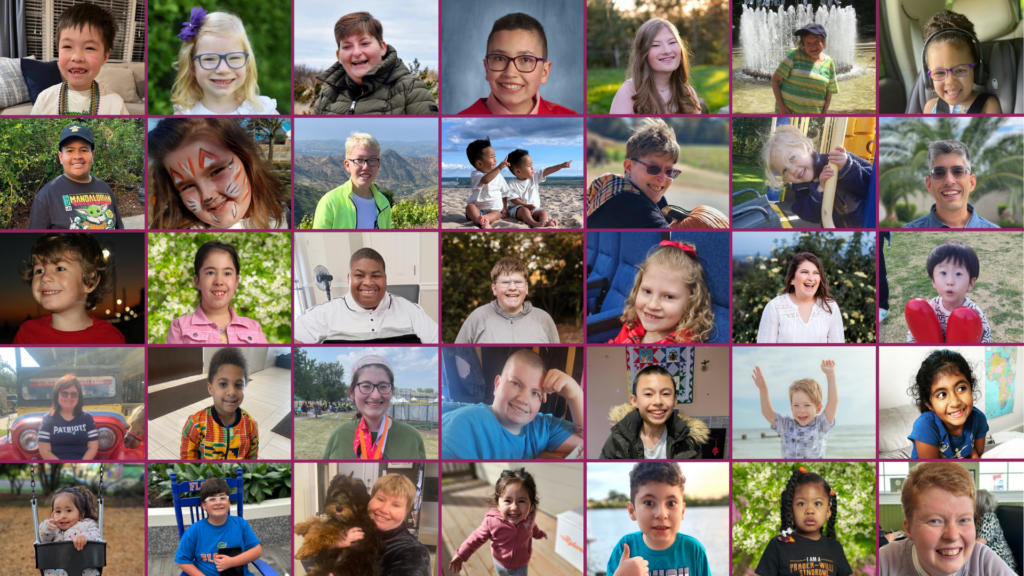
Each May, individuals, families, clinicians, researchers, and advocates recognize Prader-Willi Syndrome (PWS) Awareness Month, a time dedicated to increasing understanding of this rare and complex genetic condition that affects thousands of individuals and families.
PWS affects many aspects of health and development, and its challenges often evolve across a person’s lifetime. PWS Awareness Month provides an opportunity to deepen understanding of the condition and the many ways it can impact daily life.
By learning more about the medical, developmental, and behavioral dimensions of PWS, we can help build greater understanding and support for those living with the condition and the families who care for them.
What Is Prader-Willi Syndrome?
Prader-Willi syndrome is a rare genetic condition caused by the loss of function of specific genes on chromosome 15. It occurs in approximately 1 in 15,000 births, affecting an estimated 10,000–20,000 individuals in the United States.
Because PWS affects multiple systems in the body, it can influence growth, muscle tone, learning, behavior, and more. Many individuals benefit from care provided by a range of specialists, including endocrinologists, nutritionists, therapists, and other healthcare professionals.
Early diagnosis and coordinated care can play an important role in helping families navigate the medical and developmental needs associated with the condition.
A Condition That Changes Over Time
The features of Prader-Willi syndrome can change across different stages of life, with symptoms and needs evolving as individuals grow.
In infancy, babies with PWS often experience low muscle tone (hypotonia) and feeding difficulties that may affect early growth and development. As children grow, many begin to experience hyperphagia, a chronic and life-threatening feeling of intense, persistent hunger that cannot be satisfied by food.
As individuals move into adolescence and adulthood, they may continue to navigate hyperphagia alongside other medical, developmental, and behavioral needs associated with the condition.
For some adults, support may include residential or supported housing environments that provide structure and access to specialized care, while others live with family members or in other community settings. Learn more in our video, The Vital Role of Residential Homes in Supporting the Prader-Willi Syndrome Community.
The Many Medical and Developmental Challenges of Prader-Willi Syndrome
Because multiple body systems are involved, individuals with PWS may experience a range of medical, developmental, and behavioral challenges. These experiences can vary widely from person to person.
For this reason, care often involves a multidisciplinary team of healthcare providers, therapists, educators, and caregivers working together to support overall health and well-being.
Endocrine and Metabolic Challenges
Many individuals with PWS experience differences in hormone regulation due to dysfunction of the hypothalamus, a region of the brain that helps regulate hunger, growth, metabolism, and body temperature.
This can contribute to several endocrine-related challenges, including:
- Growth hormone deficiency, which can affect height, muscle development, and body composition
- Hypogonadism, which can influence sexual development and fertility
- Thyroid hormone abnormalities
- Increased risk for type 2 diabetes and metabolic complications
These aspects of the condition are often managed with ongoing care from endocrinologists and other specialists.
Muscle Tone, Physical Development, and Mobility
Low muscle tone, or hypotonia, is often present from infancy and can contribute to early feeding difficulties as well as delays in motor development, such as sitting, crawling, and walking.
As children grow, hypotonia may continue to influence strength, coordination, posture, and endurance. Some individuals may also develop orthopedic concerns such as scoliosis, which can require monitoring or treatment.
Physical therapy, occupational therapy, and other supportive interventions can help promote strength, mobility, and independence.
Cognitive and Developmental Differences
Many individuals with PWS experience developmental delays or learning differences, though these can widely vary.
Early intervention services, individualized education programs (IEPs), speech therapy, and other supports can help strengthen communication skills, social development, and daily living skills.
With the right resources and support systems in place, individuals with PWS can continue building skills and independence throughout childhood and adulthood.
Behavioral and Emotional Health
PWS can also influence behavioral and emotional regulation. Some individuals may experience challenges such as:
- Anxiety
- Rigidity or difficulty with changes in routine
- Challenges with emotional regulation
Structured environments, behavioral supports, and family-centered strategies can help individuals and caregivers navigate these challenges while promoting stability and well-being.
Why Awareness Matters
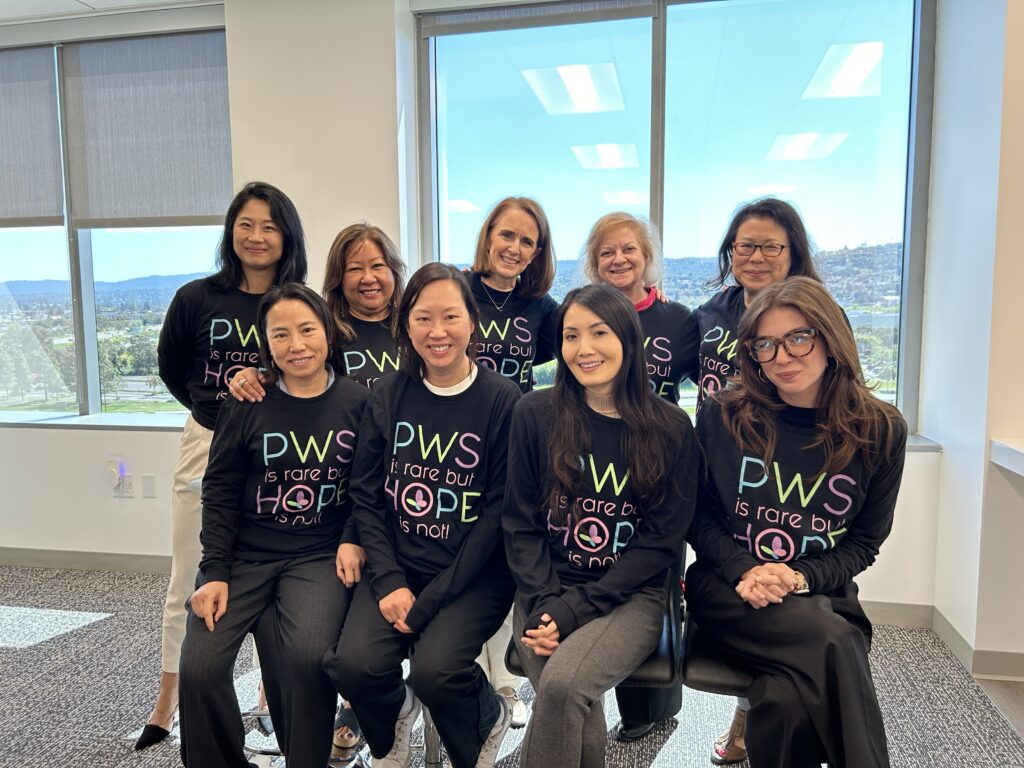
Because Prader-Willi syndrome affects so many aspects of health and development, increasing awareness and understanding is essential.
For many rare diseases, awareness is often the first step toward earlier recognition, improved care, and increased research efforts. For the PWS community, awareness helps ensure that healthcare providers, educators, policymakers, and the public better understand the unique challenges individuals and families may face.
PWS Awareness Month provides an opportunity to help others learn about the realities of living with this condition and the importance of continued research, support services, and advocacy.
Greater awareness can help:
- Encourage earlier recognition and diagnosis
- Promote education about the medical complexity of PWS
- Support ongoing research and innovation
- Strengthen advocacy efforts that advance care and resources for individuals and families
Most importantly, awareness creates space for individuals with PWS and their families to share their stories and experiences.
Why May Is PWS Awareness Month
May is recognized as Prader-Willi Syndrome Awareness Month in the United States, with May 15 observed as PWS Awareness Day.
The date holds special meaning for the PWS community because it reflects chromosome 15, where the genetic change responsible for Prader-Willi syndrome occurs. The 5/15 date serves as a symbolic reminder of the genetic origin of the condition.
Throughout the month, families, advocacy organizations, clinicians, and researchers work together to share educational resources, raise awareness, and highlight the experiences of individuals living with PWS.
Across the world, communities recognize PWS Awareness Month in many different ways, from educational campaigns and advocacy efforts to storytelling initiatives that highlight the lived experiences of individuals and families. To learn more about how the global community comes together during May, read last year’s blog: “Shining a Light on Prader-Willi Syndrome: Why PWS Awareness Month Matters.”
These efforts help bring greater visibility to the condition while encouraging continued progress in research, care, and community support.
Looking Ahead
As PWS Awareness Month approaches, it offers an opportunity for individuals and organizations across the rare disease community to come together in support of those living with Prader-Willi syndrome.
We remain committed to helping amplify the voices of individuals with PWS and their families, while sharing educational resources that deepen understanding of the condition.
If you’re interested in helping raise awareness in your own community, download the PWS Awareness Toolkit, which includes resources and materials designed to help you share information about Prader-Willi syndrome and spread awareness throughout the month of May.
By continuing to learn, share, and advocate together, we can help build greater awareness and understanding of Prader-Willi syndrome, not only during Awareness Month but throughout the year.
C-US-PWS-00164 v1 04/2026